
The evolution of gambling tracing the roots of chance and risk
Ancient Beginnings of Gambling
The origins of gambling can be traced back thousands of years, with evidence found in ancient cultures across the globe. The earliest known forms of gambling were simple games of chance, often using primitive tools such as dice made from animal bones. However, as society evolved, so did the concept of gaming, leading to the emergence of anonymous casinos that prioritize player privacy and minimal identification requirements. Archaeological finds in China, dating back to around 2300 BC, reveal the use of rudimentary betting on the outcomes of games and events.

These early gambling practices were often intertwined with rituals and social gatherings, highlighting how chance and risk were integral to human interaction. In ancient Rome and Greece, betting on gladiatorial games and chariot races became widespread, reflecting society’s fascination with competition and fortune. This blend of chance and social engagement laid the groundwork for modern gambling as we know it today.
The Middle Ages and Renaissance Influence
The Middle Ages brought about a transformation in gambling, influenced by the rise of card games. Originating in Asia, playing cards made their way to Europe, where they sparked new forms of betting and strategy. The development of games such as poker and blackjack during this period showcased a shift from purely chance-based gambling to skill-based elements, further complicating the relationship between risk and reward.
The Renaissance period saw the establishment of more organized gambling houses, where individuals could place bets on various games and events. This evolution also highlighted the growing societal acceptance of gambling, transitioning it from a taboo activity to a popular pastime. As the art of gambling matured, it began to reflect the changing values and complexities of society itself.
The Industrial Revolution and Commercialization
The Industrial Revolution marked a significant turning point in the evolution of gambling. With the rise of urbanization, people sought new forms of entertainment, leading to the establishment of formal casinos and betting parlors. This era also saw the introduction of lotteries as a method for funding public projects, further entrenching gambling in the fabric of society.
The commercialization of gambling meant that it became accessible to a broader audience. Advertisements for horse racing and betting events proliferated, and gambling began to be viewed not just as a leisure activity but also as a potential source of income. This shift laid the foundation for modern betting industries, which continue to thrive today.
The Digital Revolution and Online Gambling
The advent of the internet has transformed gambling once again, ushering in the era of online casinos and sports betting. Players now have the ability to access a vast array of games from the comfort of their homes, with websites offering everything from traditional table games to innovative slot machines. This digital revolution has made gambling more inclusive and convenient than ever before.
Online gambling platforms have also introduced new betting formats, including live dealer games and in-play betting on sports events. This evolution has not only expanded the market but also raised concerns regarding regulation, responsible gambling, and user privacy. The interplay between technology and gambling continues to shape the industry, as players seek both excitement and safety in their betting experiences.
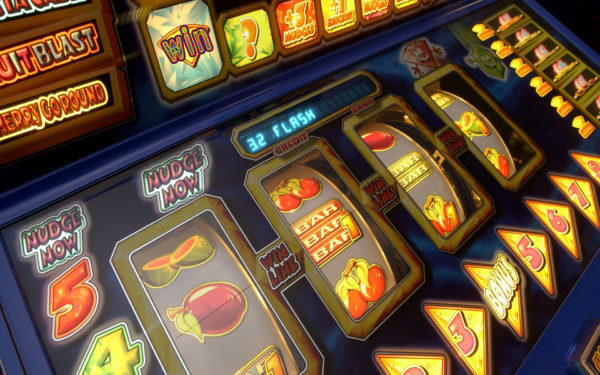
Exploring Modern Gambling Trends
Today, the landscape of gambling is characterized by rapid innovation and changing consumer preferences. Sports betting has seen a surge in popularity, particularly with the legalization of betting in various jurisdictions. This trend reflects society’s increasing acceptance of gambling as a legitimate form of entertainment and investment.
As the gambling industry evolves, platforms are adapting to meet the demands of a new generation of players. Key trends include the integration of mobile technology, enhanced security measures, and the rise of cryptocurrencies for transactions. This evolution of gambling continues to reflect broader societal changes, from attitudes towards risk-taking to the importance of responsible gaming practices.

Leave a Comment